Rigid Boxes by Industry: A Practical Application Guide
Rigid Boxes by Industry: A Practical Application Guide
Two rigid boxes can look almost identical on a sample table and behave completely differently in the field. A magnetic closure box that presents a fragrance flacon beautifully may deform under a heavy spirits bottle, and a lid-and-base gift box that works perfectly for a VIP mailing can fail a multi-leg export journey that passes through a distributor warehouse before it reaches a retail shelf.
What separates them is not decoration. It is the engineering chain behind the box: board thickness, structure family, insert system, finishing stack and the compliance file that travels with the shipment. This guide walks through how those variables change across six application areas, and how a premium rigid box manufacturer adapts each one to the project instead of selling one standard format to every customer.
Topsion Packaging is a premium rigid box manufacturer founded in 2017 and headquartered in Shenzhen, China, with a Los Angeles office and three production facilities in Dongguan dedicated to rigid boxes, luxury tube packaging and structurally complex handmade boxes. Roughly 90% of its output is exported to EU and USA markets. More at topsionpackaging.com.

Why one rigid box specification cannot serve every project
Application mismatches rarely show up during a sample review. They show up later: a drawer box that starts to drag after a humidity change, an insert that lets a watch rotate inside the tray, or an oversized gift box that raises questions about packaging volume at an EU border. Four variables decide whether a rigid box genuinely fits an application.
- Load and support. A single 750 ml spirits bottle, a three-bottle presentation set and a pair of cufflinks place completely different demands on the box floor, the corner joints and the insert geometry.
- Movement and fragility. Drop, vibration and compression during transit are the documented design risks for watch, jewelry and cosmetics projects, where the product is both fragile and high-value.
- Presentation surface. Retail display, VIP unboxing and export shipping expose the same box to different handling. Soft-touch and anti-scratch finishes behave differently on a shop shelf than inside a courier bag.
- Compliance and packaging volume. Regulation is tightening around how much empty space packaging may contain. New EU rules effective August 2026 will mandate a 50% empty-space limit in packaging by 2030, which pressures luxury brands to redesign oversized gift boxes rather than simply enlarge them.
That is why the specification has to be an output of the application rather than a starting point. A manufacturer that begins with the product, the logistics route and the sales channel produces a different — often simpler and more durable — box than one that begins with a catalogue page.
Industry background: where premium rigid packaging demand comes from
The global luxury rigid box market was valued at USD 4.75 billion in 2025 and is projected to reach USD 6.96 billion by 2035, growing at a CAGR of 3.9%, according to Towards Packaging. Sizing in this category should be read with care, because scope differences between research houses produce very different totals — one alternative estimate places the same market above USD 18 billion. Treat any single figure as directional rather than definitive.
Regional and material signals are more consistent and more useful for planning. Asia Pacific held a 42.3% revenue share of the luxury rigid box market in 2025 (Dataintelo), which mirrors how concentrated production capacity is in that region. On materials, paper and paperboard were projected to hold a 66.7% share of the luxury rigid packaging market in 2024 (Future Market Insights) — a relevant anchor for brands under pressure to reduce plastic components in presentation packaging.
Demand is pulled by the end markets. The global premium spirits market alone was valued at USD 253.8 billion in 2025 (Grand View Research), and secondary packaging is a visible, brand-critical part of that spend. Structurally, hinge lid boxes accounted for over 29% of luxury rigid box revenue in 2023 (Global Market Insights), a reminder that classical formats still carry most of the volume even as special structures attract the attention.
Compliance expectations have also consolidated around a recognizable baseline. ISO 9001 for quality management, FSC for sustainable forestry and chain of custody, and SMETA/SEDEX for social compliance are typically required for global brand qualification. A supplier's certificate set is now part of the product specification rather than a procurement formality.
The solution: how a premium rigid box manufacturer adapts to the application
Adaptation happens at five levels — structure, insert, finishing, material and compliance. Each level has a defined working range, and the job of a packaging engineering partner is to select the point inside that range which fits the specific project.
1. Structure: chosen from handling reality, not from a style list
Topsion Packaging engineers rigid boxes across magnetic closure, drawer (slide), shoulder and neck, hinged and book style, collapsible, multi-layer structural, mechanical interactive and functional insert system constructions. The standard working envelope is a fully customized size from 50 mm to 600 mm with 1.5–3 mm greyboard. Special-structure projects extend to 800 mm and 1.5–3.5 mm board with multi-component, reinforced or mechanical construction.
The practical consequence for buyers: drawer boxes suit products that are accessed repeatedly or displayed by sliding; lift-off lid and magnetic closure boxes suit a ceremonial first-open moment; book style boxes suit flat or multi-piece sets; collapsible structures suit brands balancing premium presentation against freight volume. Reinforced construction is available where the product is genuinely heavy, such as bottles, electronics and tools.
2. Insert: the component that carries the protection claim
Inserts are where most field failures are prevented or created. Available insert systems include EVA foam, EPE, molded pulp, paper inserts, blister, satin fabric, acrylic and MDF support. Watch and jewelry projects usually need compression resistance plus a satin or flocked surface that holds a small item without scratching it. Multi-bottle spirits sets need an insert that locks bottles against each other while still allowing a clean lift-out.
3. Finishing: matched to the channel that sells the product
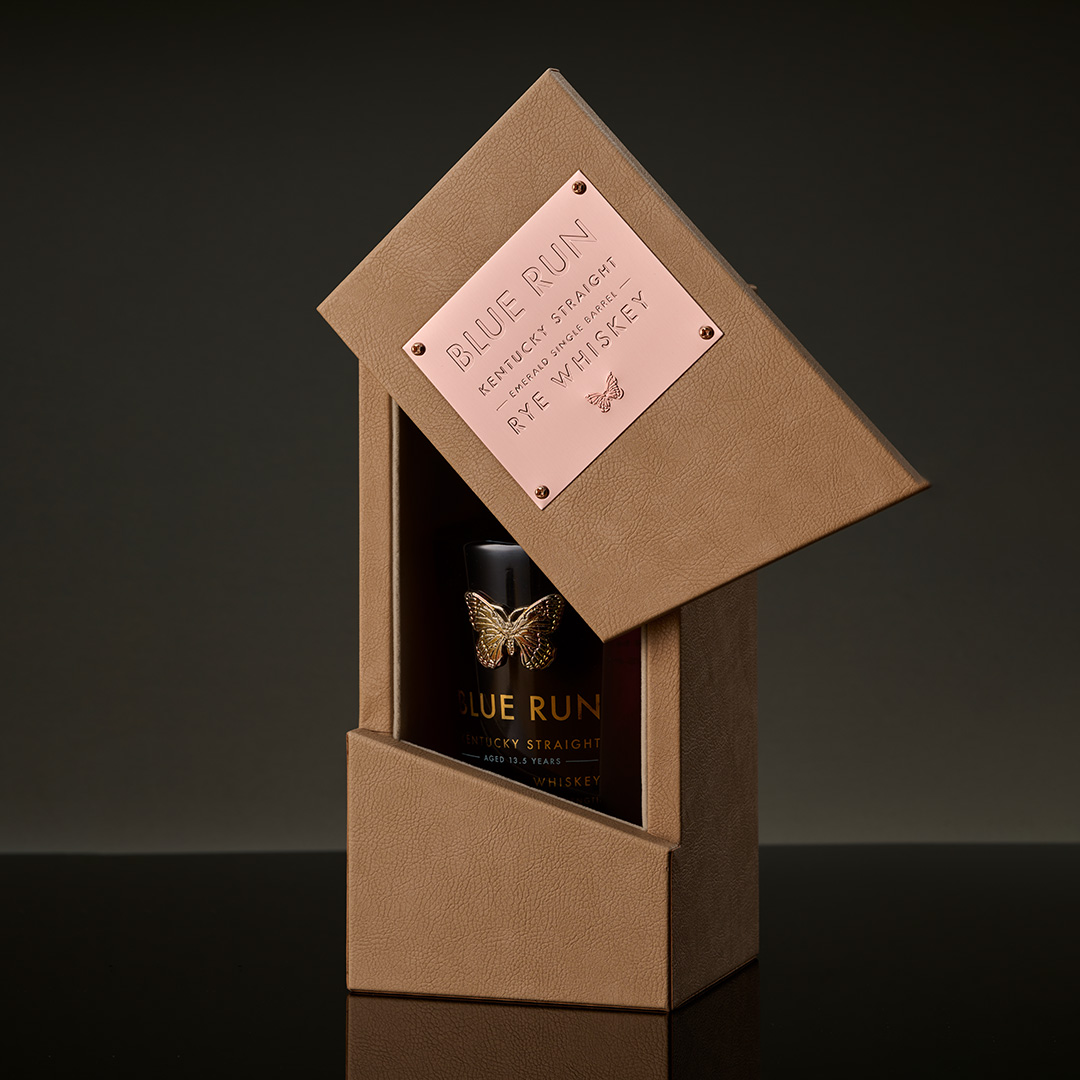
Finishing decides how a box feels in the first three seconds and how it survives the following three weeks. Topsion's finishing range covers matte, gloss, soft-touch and anti-scratch lamination, varnishing, hot foil stamping in gold, silver or custom colors, embossing, debossing, spot UV, laser, textured and 3D raster effects, and flocking. Printing runs on offset CMYK, Pantone (PMS) or spot colors.
For beauty and fragrance projects the usual priority is tactile: soft-touch lamination with foil or embossed logo detail. For exported electronics accessories, anti-scratch lamination and clean edge wrapping matter more than surface sensuality, because the box is handled by resellers as well as end users. Consistency across repeat runs is controlled through G7-certified color management, a methodology tied to ISO 12647 printing standards.
4. Material and the sustainability constraint
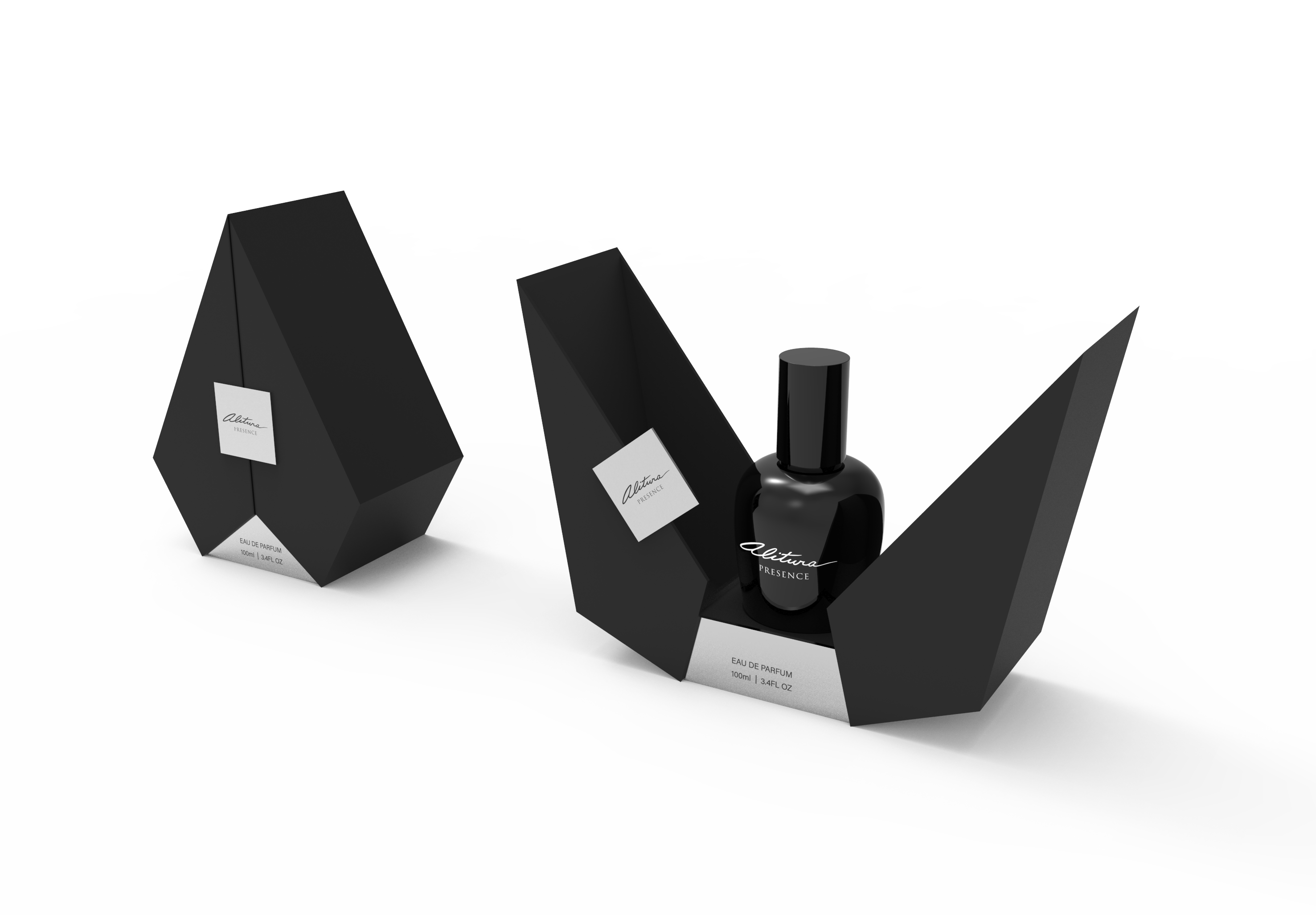
Material selection is no longer only a cost decision. Topsion works with greyboard, art paper, specialty and textured paper, kraft paper, MDF, EVA foam and FSC-certified paper, and offers a plastic-free structure option alongside FSC-certified materials for brands with sustainability commitments or EU market requirements. The company's FSC Chain of Custody certificate RR-COC-002715 was issued via SCS Global and remains valid through 27 September 2030.
5. The quality and compliance layer
Quality management is certified to ISO 9001 under certificate ZZLH29624Q10078R0S, valid through 18 April 2027, and color management is G7 Master certified by Idealliance, valid through 30 May 2027. Production runs 100% testing, supported by an independent QA/QC team that continuously trains the factories and by transit simulation equipment used to validate structures before release.
Step by step: matching a rigid box to a project
The sequence below is the order in which specification decisions should be locked. Changing structure after tooling is expensive; changing it during prototyping is not.
- Define the product and its journey. Record weight, dimensions, fragility, orientation and the full logistics chain. Premium spirits projects, for example, move through multi-layer logistics — factory, warehouse, distributor, retail — so the box must survive repeated handling rather than a single shipment.
- Choose the structure family. Match the opening motion to the buying moment: magnetic closure for retail presence, drawer for repeated access, lift-off lid for ceremony, book style for sets, collapsible for freight-sensitive programs.
- Engineer the insert. Select EVA, EPE, molded pulp, paper, satin, acrylic or MDF support based on protection level and presentation. Confirm the lift-out path before the structure is approved.
- Set the finishing stack. Decide durability first — anti-scratch where reseller handling is heavy — and sensuality second, with soft-touch, embossing and foil. Keep only the finishing steps the channel actually rewards.
- Lock material and compliance. Confirm board thickness, FSC-certified material, plastic-free options and destination-market rules before prototyping, not after.
- Prototype and validate. Sampling lead time is typically 7–14 days depending on structure complexity, and the fastest sample turnaround can be 1–2 days. Structural testing and transit simulation validate drop, vibration and compression performance.
- Scale to production. Mass production is normally quoted at 30–45 days after sample approval, subject to order quantity and specifications; streamlined programs can run at about three weeks. Monthly capacity is 500,000 units with annual rigid box capacity above 5 million pieces, supported by both automated and handmade lines so limited editions and large-volume orders can run in parallel.
Use cases: how the configuration changes by industry
Premium wine and spirits
Spirits packaging carries the heaviest structural load in the luxury category. Bottles are dense, logistics are multi-layered, and presentation sets frequently hold two to six bottles. Typical engineering responses include reinforced multi-layer structures, drawer and suitcase-style formats, carry-bag constructions and rotatable cylindrical boxes. In one long-running program for an emerging whiskey brand, Topsion re-engineered an existing gift box structure to improve rigidity and stability, then extended the range across seasonal limited editions, a three-bottle suitcase format, a six-bottle carry bag and a rotatable cylindrical design.
Fragrance and beauty
Beauty packaging is light and unforgiving about surface quality. A fragrance flacon places almost no structural load on the box, but the packaging still has to deliver a tactile first impression on a retail shelf and survive drop, vibration and compression in transit. Configurations typically combine a compact magnetic closure or shoulder-neck box with an EVA or paper-pulp insert and a soft-touch or matte finish with foil and embossing. Projects in this segment commonly move through engineering development, prototyping and mass production inside a single supplier relationship.
High-end consumer electronics accessories
Electronics accessories exported internationally combine two requirements that pull in opposite directions: precision protection and cost discipline. Anti-scratch lamination, tight-tolerance inserts in EVA or molded pulp, and clean structural lines matter more than decorative finishing. Because the box often travels to resellers before reaching the end user, transit simulation and consistency across repeat production runs become the deciding factors — which is where G7 color management and 100% testing translate directly into fewer damaged or rejected units.
Jewelry and watches
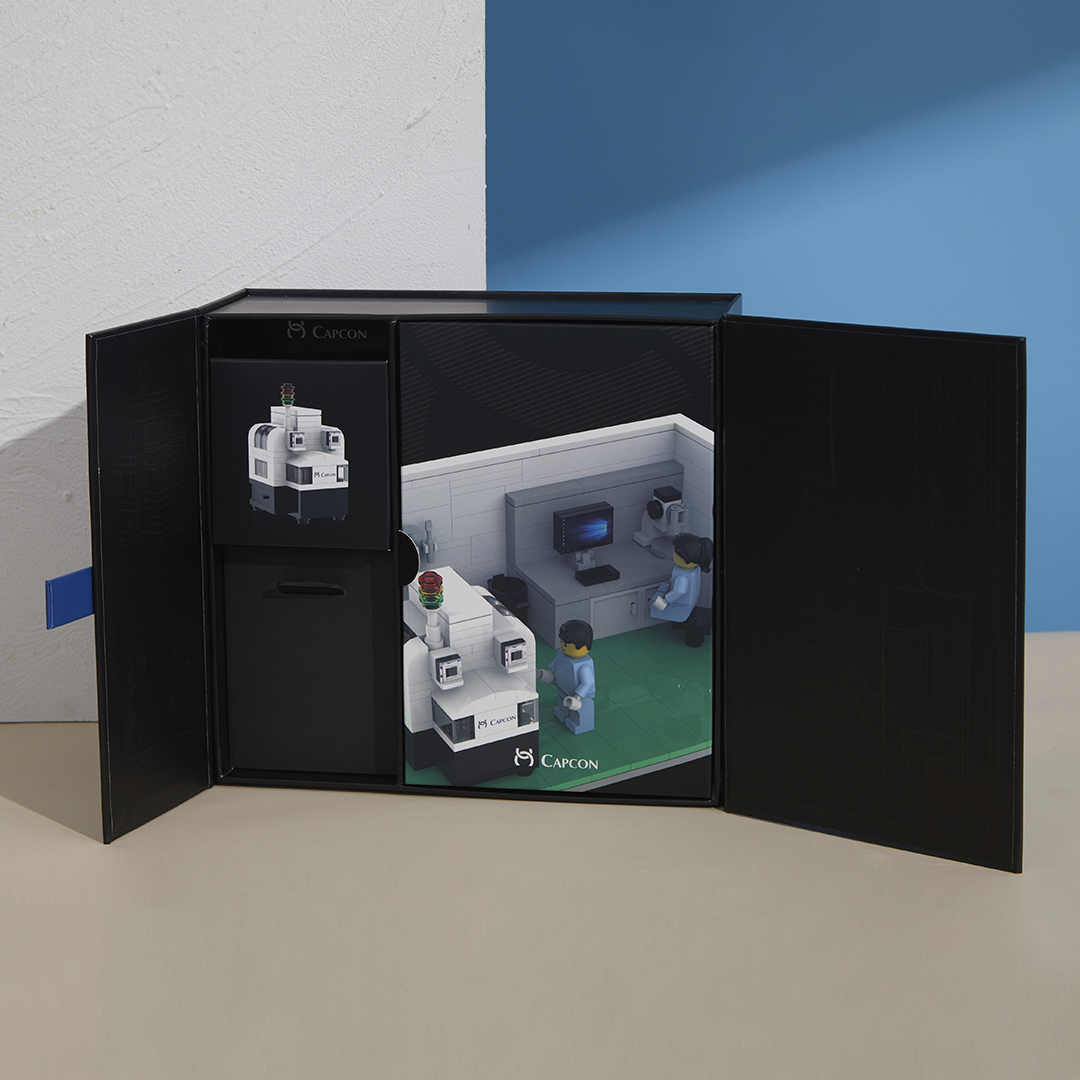
Watch and jewelry packaging is defined by drop, vibration and compression risk applied to a product that is both fragile and high-value. Flip-top and book style formats remain common, with satin or flocked inserts holding the piece in a fixed orientation. The engineering task is small-format precision: the clearance between board, fabric and foam decides whether an item sits securely or moves, and multi-material integration between these components is where supplier capability shows.
Corporate and VIP gifting
Corporate gifting is a deadline business first and a design business second. In one project for a global corporate VIP gifting program, an approved packaging concept was turned into a physical prototype within three days, and the full production run of 1,000 units was completed within seven days of sampling approval. The structural choices in this segment — magnetic closure, lift-off lid, book style — are conventional; the differentiator is schedule reliability against a fixed corporate event date.
Limited editions and premium confectionery
Limited runs, premium chocolate assortments and seasonal gift boxes need premium presentation without a volume commitment only large brands can justify. Collapsible structures, cost-optimized multi-material builds and a starting MOQ of 500 units let smaller and growing brands, design studios and agencies test a format before scaling. Multiple flexible production lines support both limited editions and large-volume orders from the same facility.
Comparison table: matching configuration to application
| Application | Primary structural risk | Typical structure | Insert / protection | Finishing priority | Compliance focus |
|---|---|---|---|---|---|
| Premium wine & spirits | Weight; multi-layer logistics | Reinforced multi-layer, drawer, suitcase, carry-bag, cylindrical | Molded pulp, EVA, MDF support | Foil stamping, embossing, matte lamination | FSC-certified paper; transit testing |
| Fragrance & beauty | Drop, vibration and compression | Magnetic closure, shoulder & neck | EVA, paper pulp | Soft-touch, spot UV, embossing / debossing | FSC-certified materials; plastic-free option |
| Electronics accessories | Export handling; reseller touchpoints | Magnetic closure, drawer, multi-part | EVA, EPE, molded pulp | Anti-scratch lamination | G7 color consistency; 100% test |
| Jewelry & watches | Drop, vibration and compression on small high-value items | Book style, lift-off lid, flip-top | Satin fabric, flocking, EVA | Embossing, debossing, soft-touch | Brand confidentiality; multi-material integration |
| Corporate & VIP gifting | Fixed delivery dates | Magnetic closure, lift-off lid, book style | Paper insert, EVA, satin | Foil stamping, textured paper | Rapid sample development |
| Limited editions & confectionery | Volume risk on short runs | Collapsible, multi-part, drawer | Paper pulp, paper insert | Cost-optimized finishes; textured / 3D raster | MOQ flexibility; FSC-certified paper |
Read the table as a starting point rather than a rule. The value of working with an engineering-led premium rigid box manufacturer is that any row can be adjusted — board thickness, insert material, finishing steps — before tooling, when changes are still inexpensive.
FAQ
Which certifications should a premium rigid box manufacturer hold for EU and US buyers?
For global brand qualification, the baseline expectation across the industry is ISO 9001 for quality management, FSC for sustainable forestry and chain of custody, and SMETA/SEDEX for social compliance. Topsion Packaging holds ISO 9001 certificate ZZLH29624Q10078R0S, valid through 18 April 2027; FSC Chain of Custody certificate RR-COC-002715 issued via SCS Global, valid through 27 September 2030; and G7 Master color management certification from Idealliance, valid through 30 May 2027. Buyers shipping gift packaging into the EU should also plan for the empty-space direction: rules effective August 2026 will mandate a 50% empty-space limit by 2030.
Can one manufacturer handle both a standard magnetic box and a structurally complex project?
That depends on engineering depth rather than machine count. Topsion Packaging works across magnetic closure, drawer, shoulder and neck, hinged and book style, collapsible, multi-layer, mechanical interactive and functional insert system constructions, with a standard envelope of 50–600 mm and 1.5–3 mm greyboard, extending to 800 mm and 1.5–3.5 mm board for special structures. Reinforced construction is available for heavy products such as bottles and electronics, and multi-material integration covers board, foam, fabric, acrylic and MDF. The engineering and R&D team operates from a 50,000 ㎡ facility group in Dongguan with roughly 300 employees.
What drives the cost of a premium rigid box?
Cost is driven mainly by structure complexity, board thickness, insert material and the number of finishing steps — not by the format name. A collapsible box with a paper insert and two finishing steps costs less to produce than a reinforced multi-layer box with molded pulp, satin lining and multiple foil positions. Order quantity and MOQ also matter: Topsion's standard MOQ is 500 units, with flexible MOQ based on structure complexity. Bringing cost optimization into the prototyping stage is more effective than negotiating after tooling.
How fast can I get a prototype before committing to production?
Sampling lead time is typically 7–14 days depending on structure complexity, and the fastest sample turnaround can be 1–2 days. For deadline-driven corporate gifting, prototype development has been completed within three days of concept approval. Samples are produced on the same structural logic as mass production, so validation results carry over to the production run.
What is the typical mass production lead time for custom rigid boxes?
Mass production is normally quoted at 30–45 days after sample approval, subject to order quantity and specifications; streamlined programs can run at around three weeks. Monthly capacity is 500,000 units, with annual rigid box capacity above 5 million pieces and 100% testing on production runs. Agencies and third-party packaging partners working with Topsion on spirits and cosmetics programs have recorded 98% on-time delivery over multi-year cooperation. To check a specific date against your launch calendar, send your specification and target delivery window through WhatsApp or email topsion@topsion.cc for a quote.
Conclusion: match the box to the application, then lock the specification
Rigid box performance is application-specific. The same manufacturer, the same board and the same finishing line produce a very different result when the structure is chosen for a six-bottle spirits set rather than a fragrance flacon, and when the insert is engineered for drop and vibration rather than for looks alone.
The practical sequence for buyers in the evaluation stage stays consistent: define the product and its logistics, choose a structure family, engineer the insert, set a finishing stack the channel rewards, confirm material and compliance, prototype, and only then commit to production. Documented constraints — FSC-certified material, a plastic-free structure option, ISO 9001 and G7 color control, and the EU's 50% empty-space direction for 2030 — belong in the specification from the first brief, not in a late-stage checklist.
Topsion Packaging builds that specification around the application, from 500-unit limited runs to multi-million-piece annual programs, with structural engineering, prototyping, handmade assembly and quality control under one roof in Dongguan and project support from Shenzhen and Los Angeles.
Working on a packaging project?
Send your product dimensions, target market and delivery window, and Topsion Packaging will come back with a recommended structure, insert and finishing configuration — plus a sample plan and a production schedule.
Email: topsion@topsion.cc | WhatsApp: +86 19310136739 | Web: www.topsionpackaging.com
Have Questions or Need More Details?
Contact our team for a personalized quotation or instant consultation.
Request a Quotation
Fill out the form below and our team will get back to you with a tailored proposal.
WhatsApp Direct Chat
Prefer to chat in real-time? Message us on WhatsApp for instant assistance & quick answers.
- Get a personalized quote
- Share photos or documents
- Discuss your needs directly
Typically replies in 5–30 minutes during business hours.