Supplier Evaluation: Can Your Rigid Box Manufacturer Deliver Under a 7-Day Deadline?
A premium rigid box manufacturer can hold a 7-day deadline only when three capabilities work at the same time: structural engineering that responds in hours, a prototyping stage measured in days, and a production schedule that is phased, allocated and monitored instead of queued. When any one of the three is missing, a compressed deadline stops being a commitment and becomes a renegotiation.
This is a supplier evaluation guide written for the Decision stage. It assumes the packaging format is already selected and the open question is which production partner can be trusted with a fixed date. The reference program is a US VIP corporate gifting order: 1,000 premium rigid gift boxes, a prototype completed in 3 days, and mass production delivered inside a 7-day window. Everything below is the checklist that project made necessary — what to verify, in what order, and which answers should end the conversation.
Why a 7-Day Deadline Breaks a Standard Supplier Scorecard
The failure patterns on compressed rigid box projects repeat. A structure that looks simple in a rendering turns out to need a different board thickness or a redesigned insert, and the correction lands after the pilot run instead of before it. Materials are ordered against a specification that was never verified at goods-in, so a wrong surface paper or insert grade is discovered at assembly. Quality problems surface at final shipment — the only inspection point the supplier planned for — at a stage where no schedule remains to absorb a rework.
On a normal timeline those are manageable events. Inside 7 days, each one is terminal, because the corrective week does not exist. That is why the evaluation question changes shape at the Decision stage: buyers are no longer comparing one box against another box but one production model against another production model — an engineering-driven manufacturer, a standard template-based manufacturer, a price-driven supplier, or a factory with no engineering function at all.
What the 2026 Premium Rigid Box Market Expects on Delivery
Delivery pressure on premium rigid packaging is structural rather than seasonal. The global luxury rigid box market was valued at USD 4.75 billion in 2025 and is projected to reach USD 6.96 billion by 2035, a CAGR of 3.9%, according to Towards Packaging. Asia Pacific held a 42.3% revenue share in 2025 (Dataintelo), and paper and paperboard materials were projected to account for 66.7% of luxury rigid packaging in 2024 (Future Market Insights).
Demand density matters as much as market size. The global premium spirits market was valued at USD 253.8 billion in 2025 (Grand View Research), and wine and spirits packaging is one of the categories where secondary packaging carries a fixed launch date. Hinge-lid boxes alone accounted for more than 29% of luxury rigid box revenue in 2023 (Global Market Insights), a share driven by an elegant functional design that is also one of the more assembly-intensive structures to produce.
Regulation is adding engineering work to the same calendar. New EU regulations effective August 2026 will mandate a 50% empty-space limit in packaging by 2030 (Fortune Business Insights), pressuring luxury brands to redesign oversized gift boxes. A redesign means new structural validation, new tooling trials and a new pilot run — more engineering content per project, arriving inside launch timelines that have not grown longer.
Market sizing in this category depends on scope. Published estimates for the luxury rigid box market include USD 4.75 billion for 2025 (Towards Packaging), USD 8.42 billion for 2024 (Market Research Future) and USD 18.4 billion for 2025 (Dataintelo). The spread reflects different definitions of luxury and rigid packaging. Buyers building a business case should confirm the scope of any figure before using it.
The Three Capabilities That Decide a 7-Day Rigid Box Project
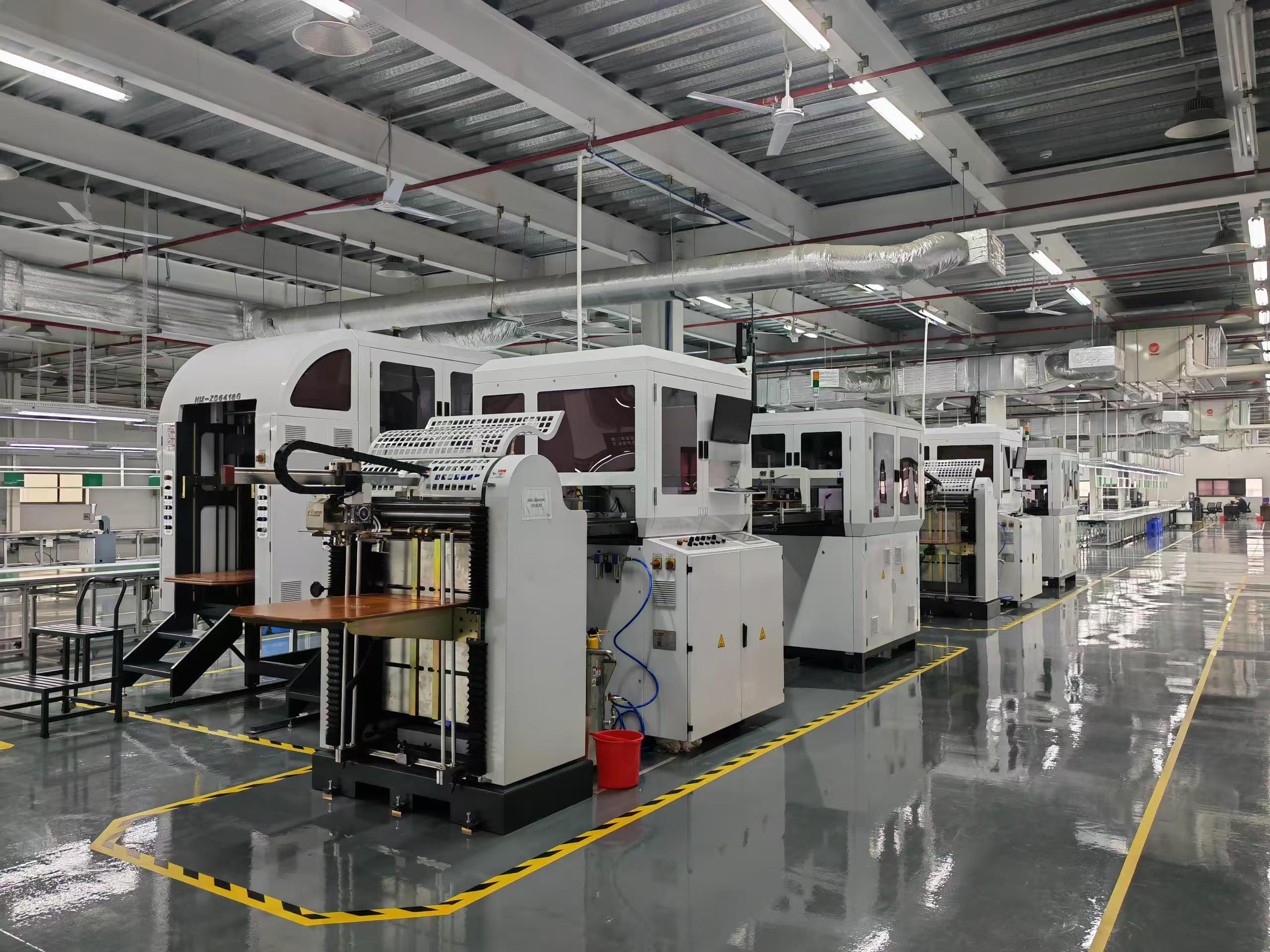
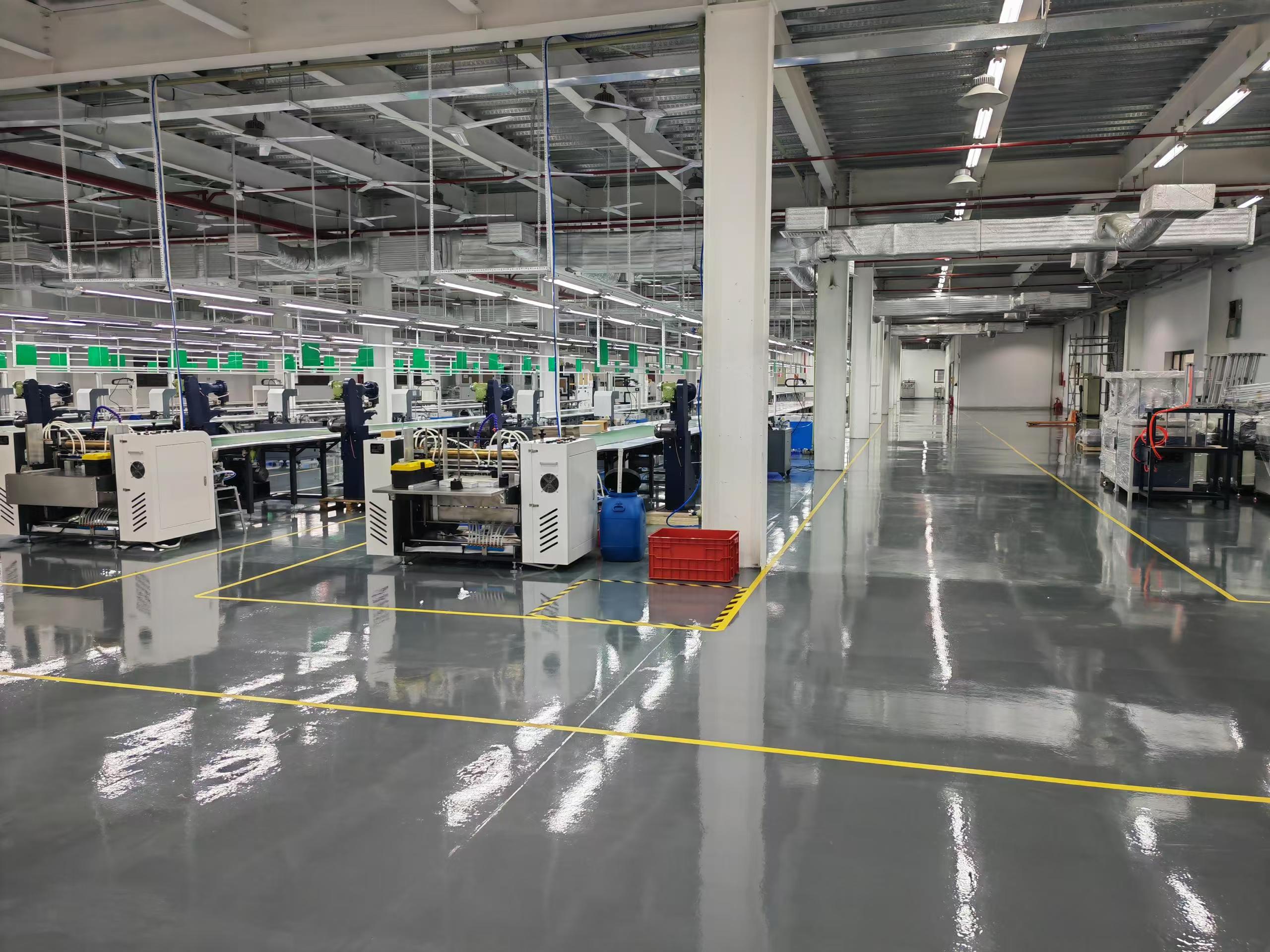
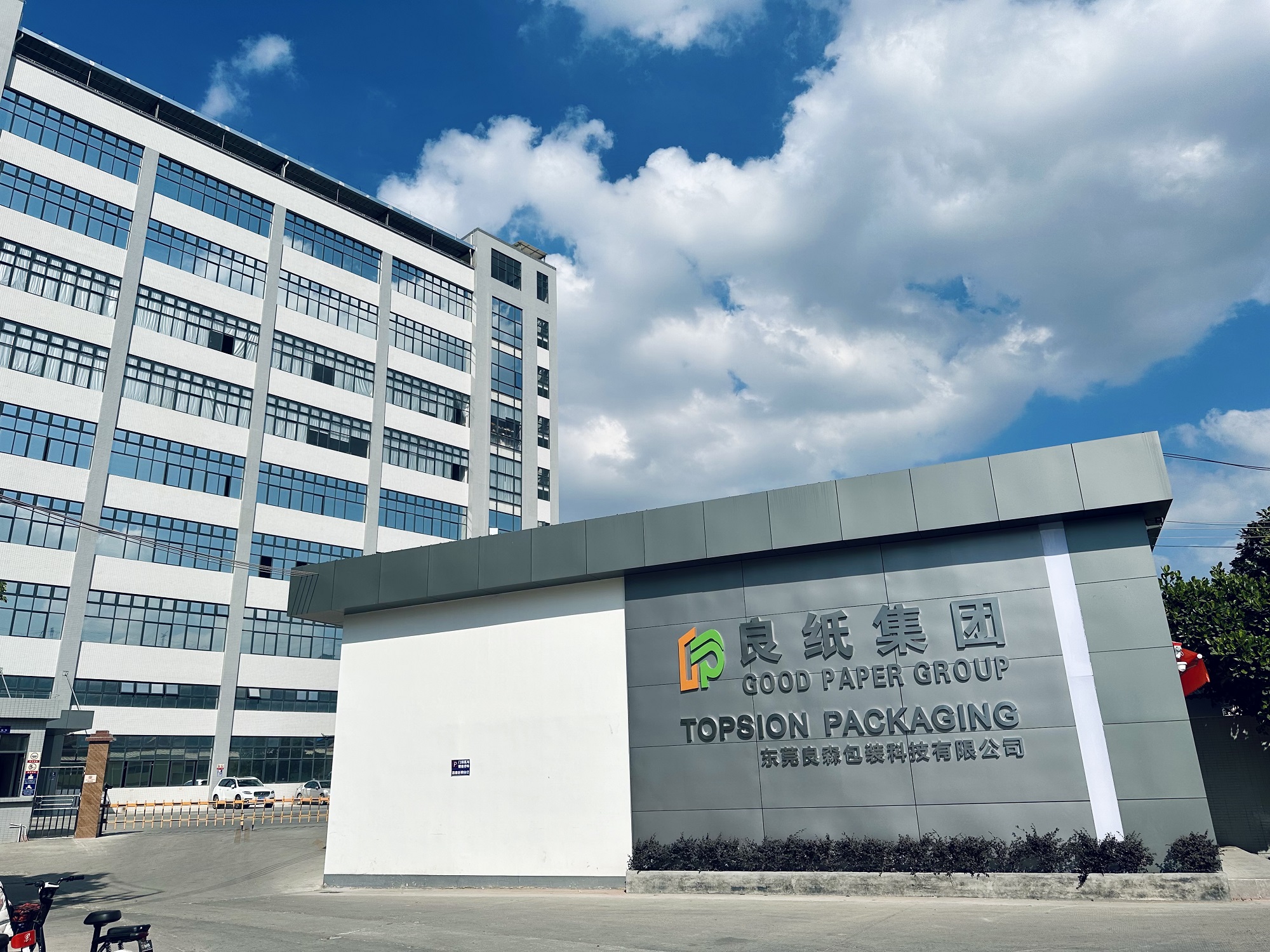
Topsion Packaging is a premium rigid box manufacturer founded in 2017, headquartered in Shenzhen, China, with a Los Angeles office and three production facilities in Dongguan. The company operates a 50,000㎡ footprint with roughly 300 employees, and its documented operating model maps onto the same three stages that decide a compressed deadline.
1. Engineering speed: is manufacturability reviewed before the quotation?
Price-driven suppliers quote first and adjust later, and the adjustment arrives as a change order or a schedule slip. Engineering-driven manufacturers reverse the sequence. In Topsion Packaging’s supplier comparison data, the recorded difference against price-driven packaging suppliers is early-stage manufacturability evaluation, with engineering review placed before quotation rather than reactive adjustment after it — a difference that reduces risk during mass production and delivery.
Against standard rigid box manufacturers, the same comparison records structural validation and load calculation replacing template-based production, which improves production stability for complex structures. The engineering team evaluates structural manufacturability at an early stage and validates the selected solution through pilot runs before mass production, so output stays stable and repeatable.
For a buyer, the practical test takes one question: “What in this structure would you change before we place the order?” A factory without an engineering step answers with silence or with a list of assumptions. An engineering-driven manufacturer answers with board grades, insert and closure options, tolerance limits, and the structures it would refuse to run.
2. Sampling turnaround: a committed date, not an estimate
Sampling is where a compressed schedule is won or lost. In the US VIP gifting program, the prototype was completed in 3 days and the project moved to 1,000 units of mass production inside a 7-day window. A 3-day prototype is not a slogan; it is possible only when the structural decision has already been validated and the material set already confirmed, which is why engineering speed and sampling speed are the same capability seen from two angles.
Color and finish belong in this stage as well. Topsion Packaging runs a G7-certified color management system, which gives both parties a measurable reference point instead of a subjective approval. On a deadline, a sample that cannot be reproduced at volume is worse than a slower sample that can.
3. Production scheduling and quality control under deadline pressure
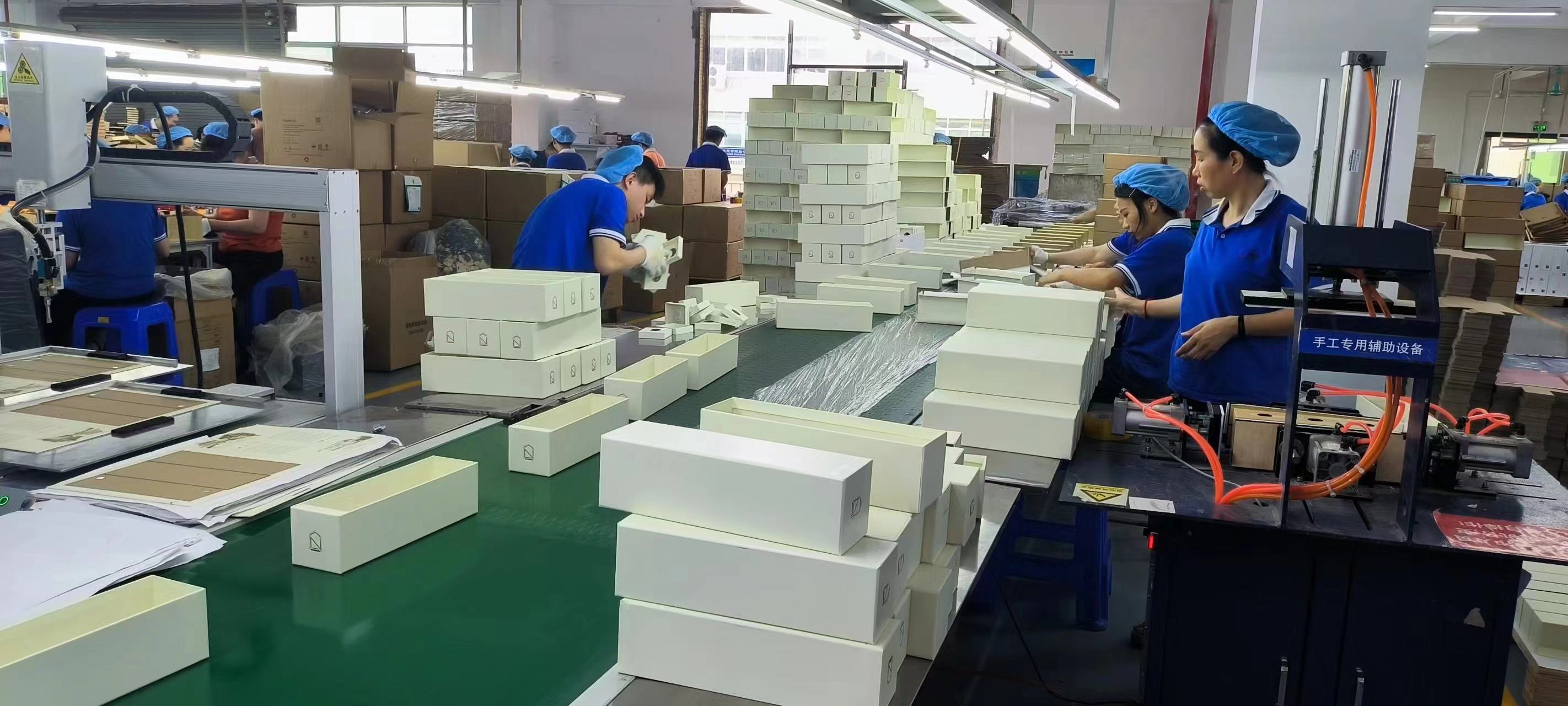
Scheduling is where most deadlines are lost and where buyers look least. The documented control method for delivery schedule risk is phased production planning with progress monitoring, supported by flexible production lines and structured project scheduling — a system intended to hold delivery timelines even during peak production periods for agency and third-party projects.
Parallel capacity is the second half of that capability. Dedicated project management coordinates engineering, production and QC resources so that several customized projects can run at the same time, which matters when a VIP gifting order, a spirits launch and a limited edition all share one production month.
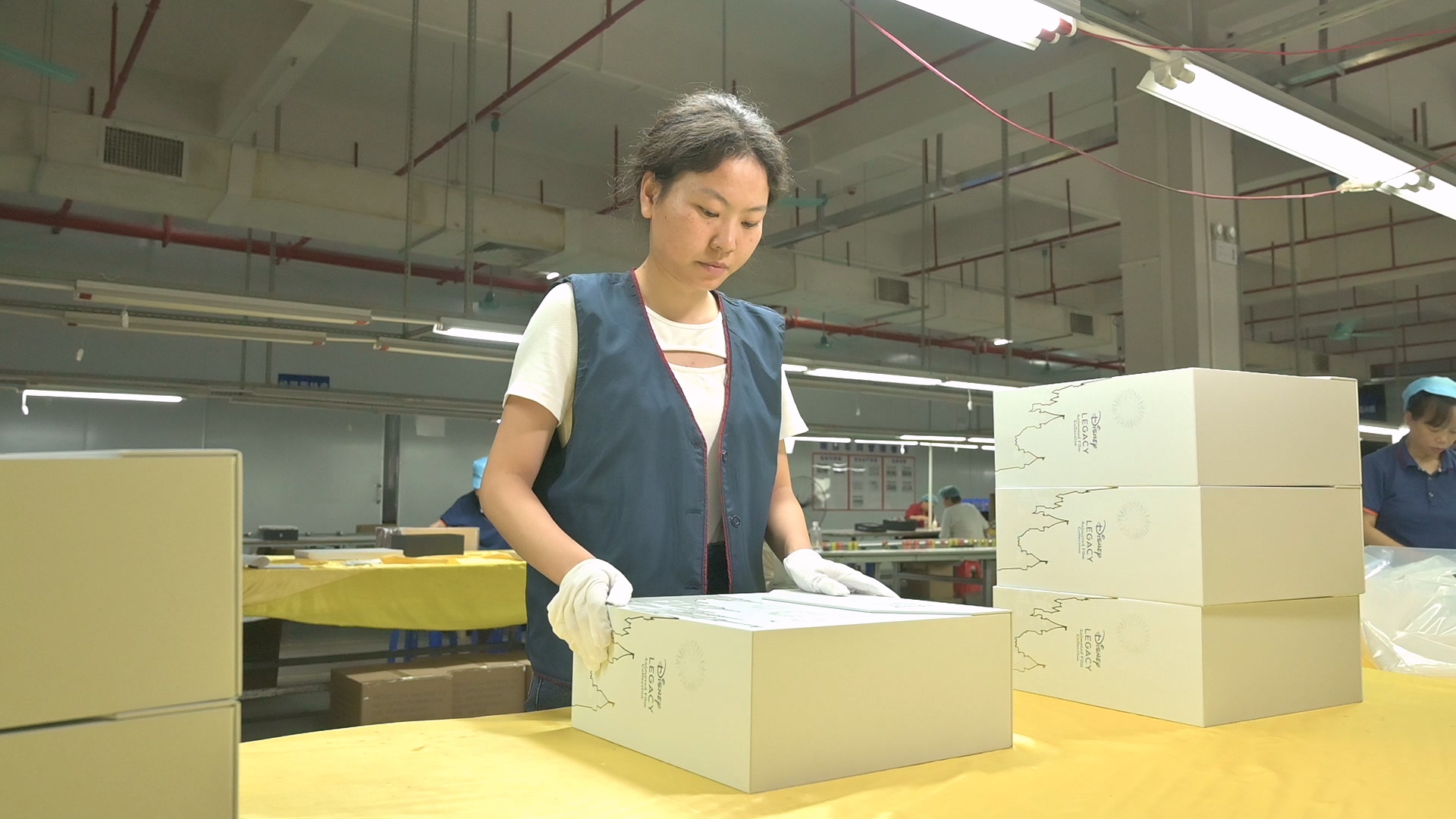
Quality control has to be designed for speed rather than bolted on afterwards. An independent QC team inspects at raw material, production and final shipment stages. Incoming materials are procured against predefined specifications and verified by incoming quality inspection, so a wrong board, paper or insert cannot enter a schedule that has no room for substitution. Materials are further protected by a multi-source supply strategy: multiple qualified suppliers and partner factories operate under unified technical and quality standards, which reduces dependence on any single source. Standard operating procedures and semi-automated production processes reduce reliance on individual labor skill while maintaining craftsmanship quality.
The compliance layer closes the loop. Topsion Packaging operates under ISO- and SEDEX-certified management systems supported by regular internal audits, so inspection and documentation routines already exist when a rush project begins instead of being improvised for it.
A 7-Step Supplier Evaluation Checklist for Time-Critical Rigid Box Orders
Work through these seven steps in order. Each one takes a single answer to verify and removes a specific failure mode.
- Require an engineering review before the quotation. Ask which structural elements would be changed, reinforced or rejected, and whether the review is documented. This is the clearest single signal that separates an engineering-driven manufacturer from a price-driven supplier.
- Lock the prototype date inside the project plan. A 3-day prototype is the benchmark a compressed timeline can support. Treat the date as a milestone with an owner, not as an estimate.
- Verify material specification control. Confirm that materials are procured according to predefined specifications and verified by incoming quality inspection, so structural and aesthetic requirements are checked at goods-in rather than at assembly.
- Map the QC gates. The plan should name inspection points at raw material, in-process production and final shipment, carried out by a team that is independent of production.
- Ask how the schedule is phased and monitored. Look for phased production planning with progress monitoring, flexible lines, and an explicit statement of how capacity is allocated when other customized projects run in parallel.
- Confirm documentation and milestone control for cross-border coordination. Standardized documentation and clear project milestones are the mechanism that keeps an international design studio, an agency and a factory aligned when decisions must be made in hours rather than days.
- Confirm the commercial model and responsibility boundaries. Topsion Packaging operates as a manufacturing partner to design studios, packaging agencies and third-party service providers under clearly defined scopes, without direct end-brand involvement. That boundary prevents the coordination delays that appear when the wrong party is answering a technical question.
Where a 7-Day Rigid Box Deadline Actually Happens
Compressed timelines are not a general market condition. They cluster in five situations, and each one puts weight on a different capability.
US VIP corporate gifting
The reference case. A 1,000-piece VIP gift box program for a US client, built with a 3-day prototype and completed inside a 7-day mass production window. What made it work was sequencing: the structural question was settled before the schedule started, leaving the production window for production.
Spirits and wine launches
Wine and spirits is where Topsion Packaging’s rigid box business began, and it remains one of the most date-sensitive categories. The global premium spirits market was valued at USD 253.8 billion in 2025 (Grand View Research), and a bottle that ships without its secondary packaging misses the launch, not the quarter.
High-value packaging for jewelry and watches
Complex rigid boxes and high-value brand packaging are the projects where a template-based approach fails, because insert, closure and finish decisions interact. These are the programs where early manufacturability evaluation reduces risk during mass production and delivery, rather than simply lowering the price of an already fixed structure.
White-label and agency-led programs
Design studios and packaging agencies often hold a fixed client date while coordinating engineering, print and assembly across several vendors. Topsion Packaging works as a manufacturing partner to design studios, packaging agencies and third-party service providers under clearly defined scopes without direct end-brand involvement, which keeps the channel structure intact while the calendar runs.
Limited editions and special runs
Small volumes on hard dates with unusual structures. Engineering validation is worth most here, because there is no production history to fall back on and no second run in which to correct a mistake.
Comparing Supplier Models on Deadline Performance
The table below compares production models on the attributes that matter when a date is fixed. Every value comes from Topsion Packaging’s supplier comparison data.
| Comparison (engineering-driven model as reference) | Documented difference | Documented performance gap | Recorded cost difference | Best suited to |
|---|---|---|---|---|
| Engineering-driven premium rigid box manufacturer | Engineering review before quotation; structural validation and load calculation | Fewer revisions, higher first-pass yield, improved supply stability | Reference model | Complex, heavy-duty or multi-material rigid packaging |
| vs. Standard rigid box manufacturers | Engineering-driven structural optimization vs. template-based production | Improved production stability for complex structures | Engineering-driven production recorded at 10%–20% lower | Complex, heavy-duty or multi-material rigid packaging |
| vs. Price-driven packaging suppliers | Early-stage manufacturability evaluation vs. reactive adjustments after quotation | Reduced risk during mass production and delivery | Engineering-driven production recorded at 10% lower | Complex rigid boxes and high-value brand packaging |
| vs. Non-engineering packaging factories | Integrated quality control throughout production vs. QC added at the end | Better balance between cost, quality and design intent | Engineering-driven production recorded at 10%–20% lower | Complex rigid boxes, multi-material packaging, international retail markets |
Cost differences are recorded in Topsion Packaging’s supplier comparison data, with engineering-driven production as the reference model. Actual differences depend on structure complexity, material selection and order volume. Supported by integrated QC from engineering review to final AQL inspection on the engineering-driven model.
FAQ: Delivering Premium Rigid Boxes Under a Fixed Date
What certifications should a premium rigid box manufacturer already hold before you sign a time-critical order?
For global brand qualification, premium rigid box manufacturers are typically expected to hold ISO 9001 (quality management), FSC (sustainable forestry) and SMETA/SEDEX (social compliance). Topsion Packaging operates under ISO- and SEDEX-certified management systems supported by regular internal audits. On a compressed timeline, the certification itself matters less than what it implies: an audited management system means inspection and documentation routines are already defined, so a 7-day schedule does not depend on building process from scratch mid-project.
Can engineering and sampling really be compressed into a few days?
Yes, when manufacturability is evaluated before quotation rather than after. In the US VIP gifting program, the prototype was produced in 3 days and mass production followed inside a 7-day window for 1,000 units. The mechanism is specific: structural validation and load calculation replace template-based production, and the engineering team validates the structure through pilot runs before mass production. The limitation is equally specific — compression depends on the structural question being settled early. It is not unlimited, and it is not a substitute for a validated design.
Does a manufacturer that can hit a 7-day deadline cost more?
Not according to the recorded comparison data, which points the other way. Topsion Packaging’s supplier comparison records engineering-driven production at 10%–20% lower cost than standard template-based rigid box manufacturing, and 10% lower than a price-driven model. The reason is mechanical rather than commercial: fewer revisions, higher first-pass yield, optimized material usage and a lower damage rate reduce total cost before the deadline question is asked. Recorded differences depend on structure complexity, material selection and order volume.
What should a prototype actually prove before mass production starts?
The prototype is a validation gate, not a presentation piece. It should confirm that the structure is manufacturable at volume, that color and finish are reproducible, and that the material set meets the predefined specification verified by incoming quality inspection. Topsion Packaging runs a G7-certified color management system for the color and finish question, and validates complex structures through pilot production before mass production. In the US VIP gifting case, that gate was cleared in 3 days.
How do you keep a 7-day production window from slipping?
Four controls do most of the work: phased production planning with progress monitoring on flexible lines; dedicated project management that coordinates engineering, production and QC when several customized projects run in parallel; multi-stage inspection by an independent QC team at raw material, production and final shipment; and a multi-source material strategy in which qualified suppliers and partner factories operate under unified technical and quality standards. For cross-border work, standardized documentation and clear project milestones keep coordination with international design studios and third-party clients on schedule. If your next program has a fixed date, send the structure brief and target quantity to Topsion Packaging at topsion@topsion.cc, and the team will confirm engineering and sampling turnaround before quoting.
Conclusion: What to Verify Before You Commit to a Date
A 7-day rigid box deadline is decided during supplier evaluation, not on the production floor. Manufacturers that hold compressed dates are the ones that validate structure before quoting, commit a prototyping date in days rather than weeks, and plan production in phases with progress monitoring and allocated capacity.
Three questions separate those manufacturers from the rest. Ask what would change in the structure before the order is placed. Ask for the prototype date in writing and treat it as a milestone. Ask how many inspection gates exist and who staffs them. A supplier that answers all three with specifics — engineering review before quotation, a 3-day prototype benchmark, and independent QC at raw material, production and final shipment — is the one that can be trusted with a fixed date.
Topsion Packaging builds premium rigid boxes for corporate and VIP gifting, wine and spirits, jewelry and watches, fragrance and beauty, and limited-edition programs. Its three Dongguan facilities specialize in rigid boxes, luxury tube packaging and structurally complex handmade boxes, serving EU and USA markets with an export ratio above 90%, an annual output of 5,000,000+ and an engineering and R&D team of four engineers supporting design studios and packaging agencies from concept through production.
Have a date that cannot move?
Send the structure brief, target quantity and required delivery date to Topsion Packaging. The team confirms engineering review and prototyping turnaround before quoting, so the deadline is validated before it is accepted.
Email: topsion@topsion.cc · WhatsApp: +86 19310136739 · Web: www.topsionpackaging.com
Shenzhen office: #402, 12th Building, Taihua Wutong Island, Hangkong Road, Hangcheng Street, Bao’an District, Shenzhen, China 518128 · Factory: No.1 Xiachunyuan Third Road, Changping Town, Dongguan, Guangdong, China.
Have Questions or Need More Details?
Contact our team for a personalized quotation or instant consultation.
Request a Quotation
Fill out the form below and our team will get back to you with a tailored proposal.
WhatsApp Direct Chat
Prefer to chat in real-time? Message us on WhatsApp for instant assistance & quick answers.
- Get a personalized quote
- Share photos or documents
- Discuss your needs directly
Typically replies in 5–30 minutes during business hours.