US-Bound Premium Rigid Box Compliance: A Regional Readiness Guide for Gifting and Spirits Projects
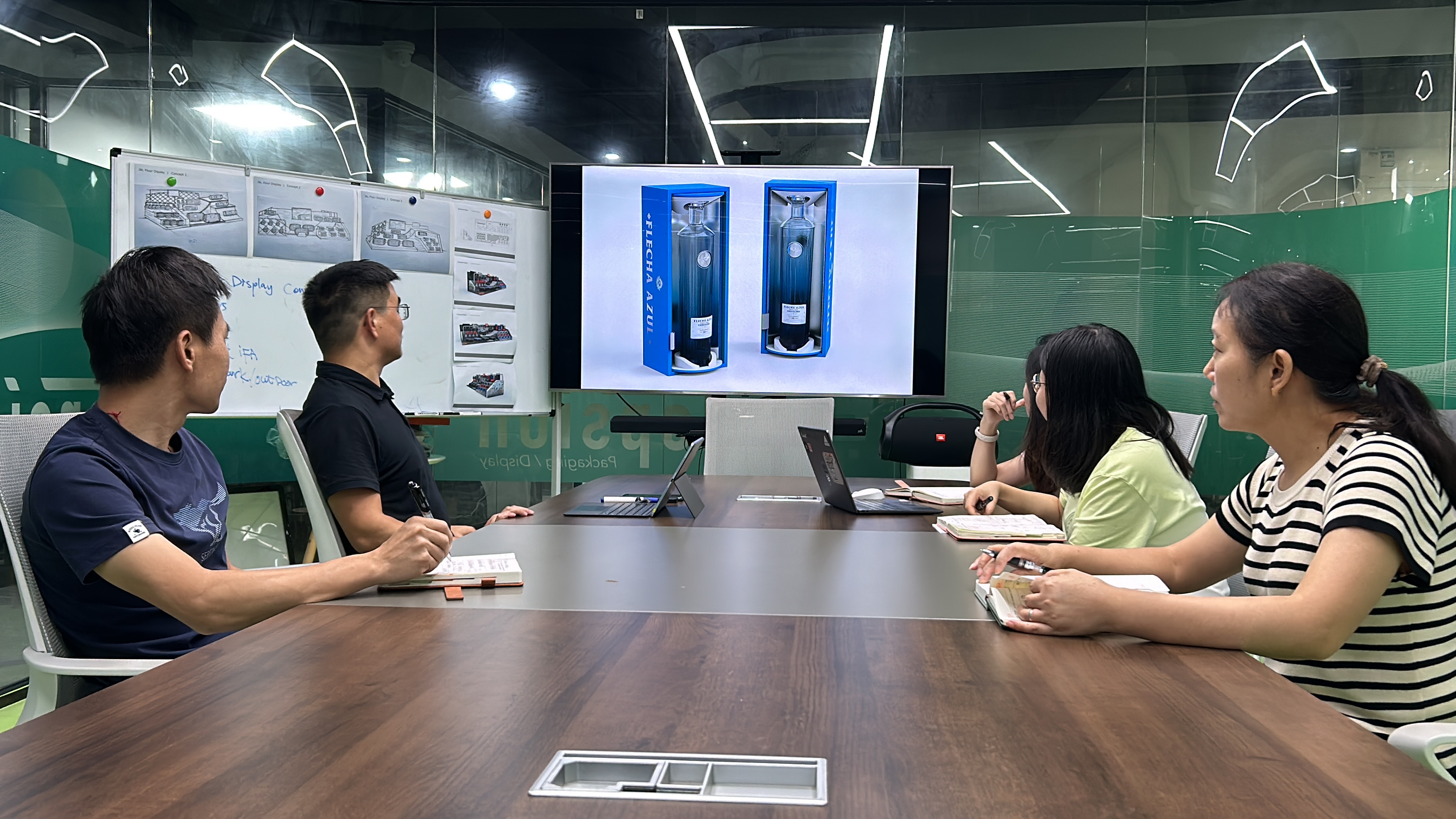
US-bound premium rigid box compliance is not one certificate and one signature on a purchase order. It is a readiness state: documentation, structure, sampling checkpoints and white-label handoff all resolved before the first sheet of greyboard is cut.
For gifting and spirits programs, that state is what decides whether a launch lands on the seasonal date or waits in a port. This guide is written for US importers, brand owners, procurement managers, packaging agencies and design studios who are evaluating a premium rigid box manufacturer and need to know which regional readiness questions actually determine the outcome.
It uses two documented US projects as evidence: a 1,000-piece corporate VIP gifting program delivered through a third-party partner, and a 3,000-piece whiskey gift box program that was re-engineered for rigidity and then extended across several packaging formats. Both are recorded customer projects of Topsion Packaging, a premium rigid box manufacturer headquartered in Shenzhen with a Los Angeles office and three production facilities in Dongguan.
Problem Definition: The Four Readiness Questions That Fail Late
US-bound rigid box failures rarely start on the production floor. They start at a question that nobody asked during evaluation, and they surface at the point where the cost of fixing them is highest — after artwork is plated, after a tool is cut, or after the container has left the factory.
Four categories account for most of that risk.
1. Documentation questions
A US buyer needs to know which quality, sustainability, colour-management and social-compliance documents exist, which certificate numbers they carry, and how long each remains valid. When a compliance matrix is assembled after a purchase order is issued, the gap is discovered too late to change suppliers.
2. Structural questions
Weight, transit conditions, shelf presentation and unboxing behaviour are regional variables. A spirits bottle, a fragrance flacon and a corporate gift set place completely different demands on board thickness, insert geometry and closure mechanics.
3. Sampling questions
Sampling is not a formality; it is where the production window is won or lost. A sample that arrives without an agreed approval sheet, colour target and named sign-off owner will generate a second sample round, and a second round can consume the entire buffer built into a seasonal calendar.
4. Handoff questions
When an agency or a third-party packaging provider sits between the manufacturer and the end brand, the handoff becomes a compliance issue in its own right: who may hold artwork, who may be named publicly, and how a brand-blind shipment is documented.
Industry Background: Why US Gifting and Spirits Programs Sit in the Hardest Window
The structural rigid box category is large and still expanding. The global luxury rigid box market was valued at USD 4.75 billion in 2025 and is projected to reach USD 6.96 billion by 2035, growing at a CAGR of 3.9%, according to Towards Packaging. Dataintelo places Asia Pacific at a 42.3% revenue share in 2025, which is why so many US-bound programs are sourced through Asian manufacturing.
Paper-based construction dominates that demand. Future Market Insights projects that paper and paperboard materials hold a 66.7% share of the luxury rigid packaging market in 2024 — a structural fact that makes board grade, board thickness and material traceability central to any US-bound readiness conversation.
The demand side is equally concentrated. The global premium spirits market was valued at USD 253.8 billion in 2025 according to Grand View Research, and spirits packaging carries a disproportionate share of secondary packaging spend because the box is often the first physical brand touchpoint. Hinge lid and lift-off constructions reflect that role: Global Market Insights records the Hinge Lid Box segment at over 29% of luxury rigid box revenue in 2023.
Two regional pressures make US-bound work distinctive. First, gifting and spirits programs are calendar-locked — corporate gifting seasons, Mother's Day and Father's Day editions, and holiday releases leave no room for a second sampling cycle. Second, US buyers frequently operate inside global brand standards that also carry requirements from other markets. As one example of that pressure, Fortune Business Insights reports that EU regulations effective August 2026 will mandate a 50% empty-space limit in packaging by 2030, which pushes global brands to reconsider oversized gift box formats — and those redesigned specifications are often applied to US-bound versions of the same product.
The Readiness Solution: How a Premium Rigid Box Manufacturer Structures US-Bound Programs
Topsion Packaging is a premium rigid box manufacturer founded in 2017, headquartered in Shenzhen, China, with a Los Angeles office and three production facilities in Dongguan. The company operates 50,000 m² of factory space with approximately 300 employees, four engineers in the R&D team, and an annual output of more than 5,000,000 pieces. Around 90% of production is exported, with the EU and the USA as the main markets.
The company's experience began with wine and spirits packaging and now covers rigid boxes, luxury tube packaging and structurally complex handmade boxes, supported by a G7-certified colour management system and an independent QA/QC team.
Documentation flow: what should be locked before tooling starts
Premium rigid box manufacturers are typically asked for three certification families during global brand qualification: ISO 9001 for quality management, FSC for sustainable forestry, and SMETA/SEDEX for social compliance. That expectation is the starting point of a US-bound documentation pack, not the end of it.
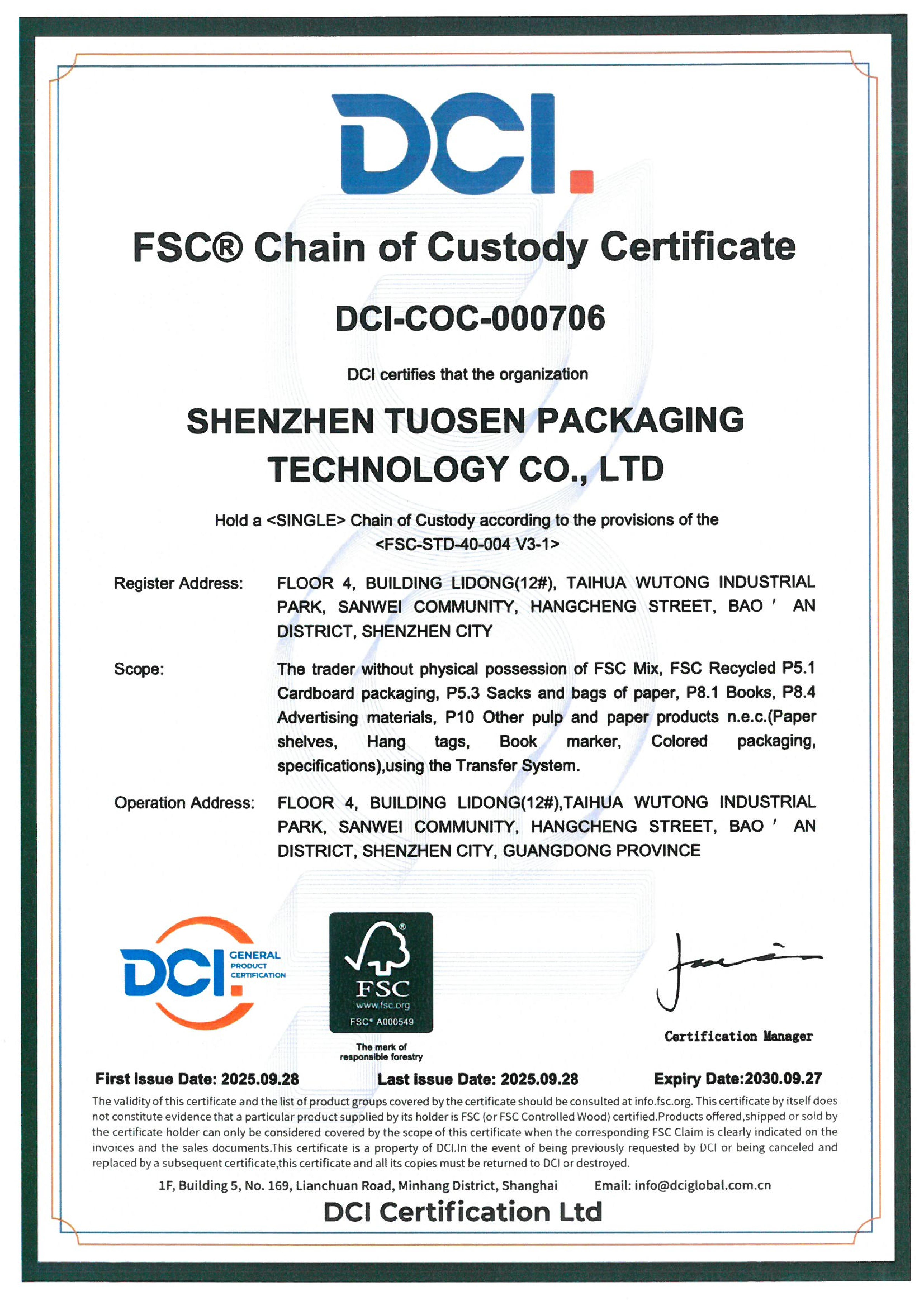
FSC Chain of Custody documentation sits at the centre of the material traceability pack for paper-based rigid boxes.
The verifiable document set held by Topsion Packaging includes:
- ISO 9001 — certificate number ZZLH29624Q10078R0S, issued by ZZLH, valid from 19 April 2024 to 18 April 2027, covering quality management across production, process control, supplier management and continuous improvement.
- FSC Chain of Custody — certificate number RR-COC-002715, issued by SCS Global, valid until 27 September 2030, covering sustainable sourcing and traceability of wood and paper materials.
- G7 Master Certification — G7 Colorspace, issued by Idealliance, valid from 31 May 2022 to 30 May 2027, covering CMYK colour consistency, grey balance and process control under the IDEAlliance G7 methodology and ISO 12647 printing standards.
- SEDEX/SMETA social compliance documentation — covering supplier social responsibility and supply chain compliance against International Labour Organization standards. Because these reports are periodically renewed, the current report version and its validity window should always be requested in writing rather than assumed.
A practical boundary matters here. If a US buyer's compliance matrix requires a certification type that sits outside this set, it has to be raised at the scoping stage, because it cannot be presumed to exist. Treating unverified certification as a default assumption is one of the most common ways a US-bound rigid box program loses time.
Structural requirements: designing for US transit, shelf and gifting weight
Structural specification is where regional readiness becomes measurable. The engineered rigid box range covers fully customised sizes from 50 mm to 600 mm, with special structures built up to 800 mm, using greyboard from 1.5 mm to 3 mm and up to 3.5 mm for engineered special construction. Printing runs in offset CMYK, Pantone or spot colour, with matte or gloss lamination, soft-touch, UV and spot UV, foil stamping, embossing and debossing.
Internal construction carries as much risk as the outer shell. Insert options include EVA, EPE, moulded pulp, paper inserts, satin fabric, acrylic and MDF support, and reinforced structures are available for heavy products such as bottles, electronics and tools. Core materials include greyboard, art paper, specialty and textured paper, kraft paper, MDF, EVA foam and FSC-certified paper.
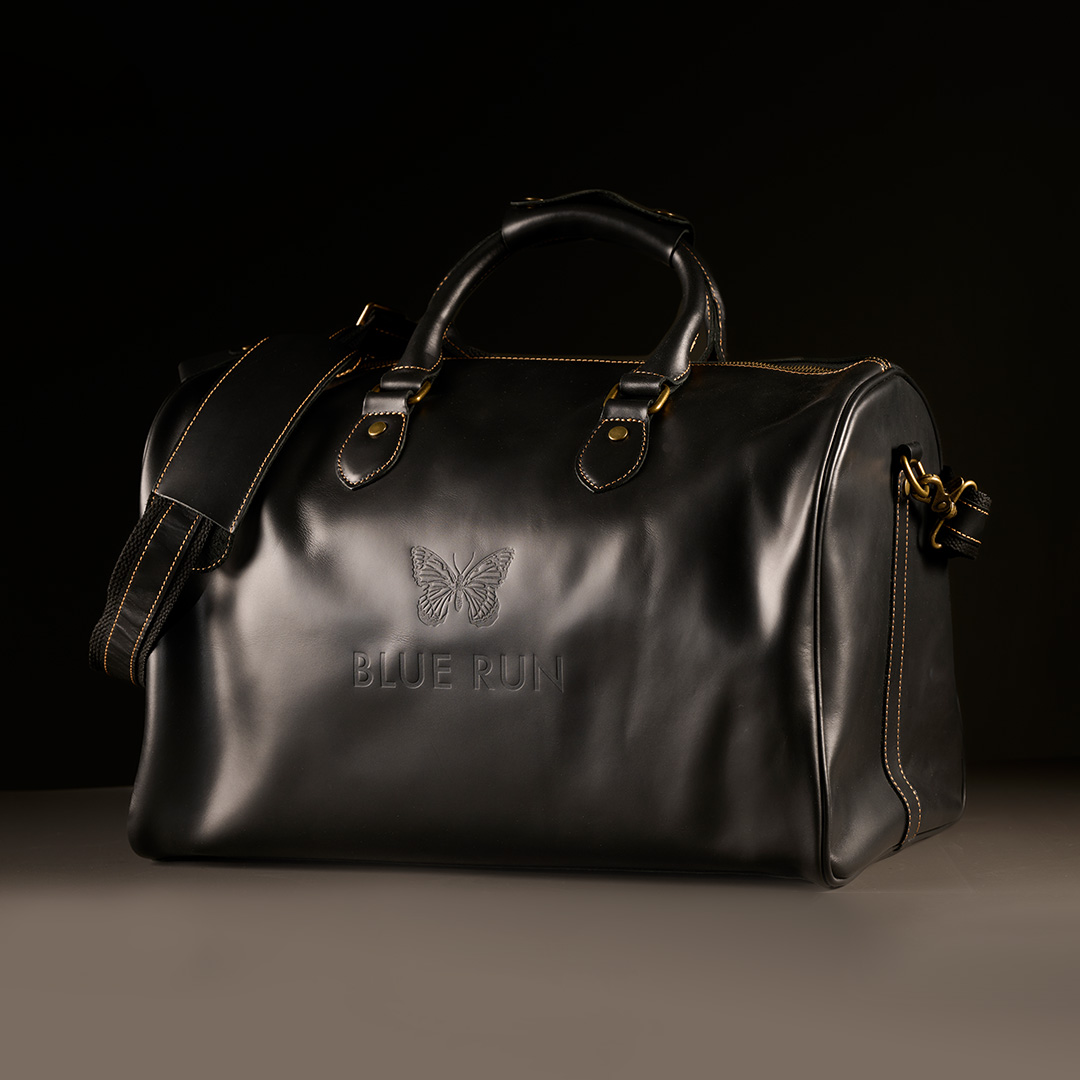
Reinforced multi-bottle formats followed the initial whiskey gift box re-engineering project.
For spirits in particular, rigidity is not cosmetic. In the documented US whiskey project, the original packaging structure was re-engineered to improve rigidity, stability and overall perceived quality, and the opening structure and internal components were optimised to create a smoother and more engaging unboxing experience. The result moved the packaging from a basic product container into a stronger brand touchpoint for the brand.
Sampling checkpoints: where the production window is won or lost
Sampling speed varies with structure complexity, and buyers should plan against the real range rather than the best case. Sampling lead time runs 7 to 14 days depending on structure complexity, while the fastest sample turnaround achieved is 1 to 2 days. In the US corporate VIP gifting program, an approved packaging concept was converted into a physical prototype within 3 days.

In-line inspection backs the 100% test policy applied to rigid box production runs.
A sample checkpoint should close four items in writing: the structural build and board thickness per SKU, the colour target against a G7-controlled reference, the finishing and insert fit, and the pack-out configuration. Each of those items has a documented owner. When they are agreed before sampling starts, one sample round is usually enough; when they are not, the second round consumes the buffer.
White-label handoff: documentation and confidentiality discipline
Many US premium rigid box programs are delivered through an agency, a design studio or a third-party packaging provider. In that structure, the manufacturer is a behind-the-scenes packaging production partner — the party whose work reaches the end brand without the manufacturer being named. The documented duration of cooperation with the global corporate VIP gifting client in that structure is 5 years.
Length of relationship is the most reliable evidence of handoff discipline, because confidentiality failures end partnerships quickly. The same pattern appears across other documented programs: packaging agencies in the US running 200,000+ units per launch across multi-SKU production with more than 3 years of partnership and 98% on-time delivery, and third-party packaging solution providers in the US running 100,000+ units per project across more than 3 years of cooperation with the same on-time delivery result and stable colour consistency.
A working white-label handoff pack should therefore include: an artwork ownership and usage statement, a brand-blind shipping instruction, a sample retention agreement, and an explicit rule on whether the manufacturer may reference the project at all.
Step-by-Step Breakdown: The US-Bound Readiness Sequence
The sequence below is the order in which readiness decisions should be closed. Each step produces a document that the next step depends on.
- Scope the compliance matrix first. Confirm which certification families the brand requires — typically ISO 9001, FSC and SMETA/SEDEX — and match them against certificate numbers and validity windows before any quotation is finalised.
- Define the structural specification per SKU. Fix board grade and thickness (1.5–3 mm standard, up to 3.5 mm for special structures), external dimensions (50–600 mm standard, up to 800 mm for special construction), and whether a reinforced load-bearing build is required.
- Select the insert system. Choose between EVA, EPE, moulded pulp, paper, satin, acrylic or MDF support based on product weight and the intended unboxing sequence.
- Run the sample against a written approval sheet. Plan for 7–14 days depending on structure complexity, with the fastest turnaround at 1–2 days, and lock colour, finishing and insert fit in a single approval event.
- Confirm the capacity slot. Monthly capacity stands at 500,000 units, with annual rigid box output above 5,000,000 pieces and multiple flexible lines that support both limited editions and large-volume orders.
- Lock the documentation pack. Assemble certificate copies, material declarations, insert and pack-out specifications, and the NDA or white-label terms in one file before production is scheduled.
- Approve pre-production. Verify that the pre-production unit matches the approved sample exactly, including colour measurement under the G7-controlled process.
- Run production with 100% testing. The documented quality policy applies 100% testing to output, supported by an independent QA/QC team and production-line inspection.
- Execute the handoff. Ship brand-blind where required, retain approved samples, and issue corrective action reporting if any deviation is recorded.
Use Cases: Two US Programs Where Readiness and Speed Coexisted
Case 1 — 1,000-piece US corporate VIP gifting program
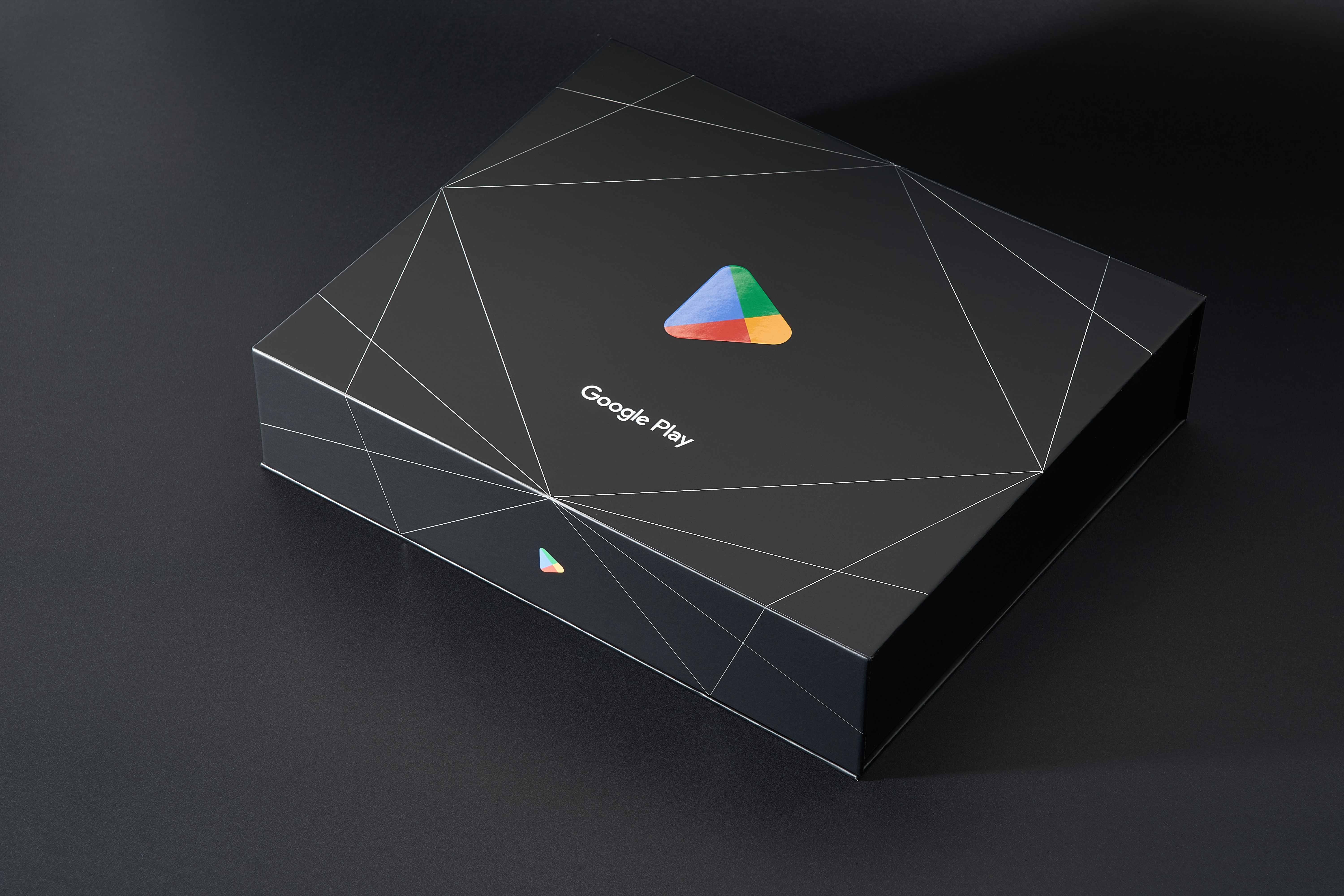
The US VIP gifting program moved from approved concept to finished goods on a compressed timeline.
This project was located in the United States and involved a global corporate VIP gifting client that procures gift box packaging for its VIP gift program. The scale was 1,000 pieces of custom VIP gift boxes, produced for a US market corporate gifting program serving a major technology client within a 7-day production window.
The prototype stage was completed within 3 days of concept approval — an approved packaging concept became a physical prototype within 3 days. Mass production was then completed within 7 days, from sampling approval to finished goods. The key highlight is structural: the manufacturer operated as a behind-the-scenes packaging production partner, enabling a third-party agency to deliver premium VIP packaging to the technology client while the agency retained the client relationship. The documented duration of cooperation with this client is 5 years.
Case 2 — 3,000-piece US whiskey gift box program
The second program involved a small and growing brand in the premium whiskey and spirits sector in the United States. The scale was 3,000 pieces of premium whiskey gift box packaging, used for seasonal limited-edition releases including Mother's Day and Father's Day editions.
The engineering task was rigidity. The original whiskey packaging structure was re-engineered to improve rigidity, stability and overall perceived quality, and the opening structure and internal components were optimised for a smoother unboxing experience. The project achieved improved structural integrity, a more premium feel and an enhanced unboxing experience compared with the original packaging, and the structural improvements transformed the packaging from a basic product container into a stronger brand touchpoint.
The commercial outcome extended beyond the first order. Over a 3-year period the client continued working with the manufacturer as an ongoing packaging development partner across multiple seasonal and multi-bottle formats, including Mother's Day and Father's Day limited editions, 3-bottle suitcase-style whiskey packaging, 6-bottle carry-bag packaging and rotatable cylindrical packaging.
Readiness Comparison Table
The table below maps each US-bound readiness dimension to the documented position of Topsion Packaging and to the evidence a buyer should request before releasing production.
| Readiness dimension | Documented position | What to request from any supplier |
|---|---|---|
| Quality system | ISO 9001, certificate ZZLH29624Q10078R0S, issued by ZZLH, valid 19 April 2024 – 18 April 2027 | Current certificate copy with number, issuing body and validity window |
| Material traceability | FSC Chain of Custody, RR-COC-002715, issued by SCS Global, valid to 27 September 2030 | Chain of custody scope statement and the specific paper grades covered |
| Colour consistency | G7 Master Certification (G7 Colorspace, Idealliance), valid 31 May 2022 – 30 May 2027 | Colour target, proofing method and reprint consistency procedure |
| Social compliance | SEDEX/SMETA social compliance documentation aligned to International Labour Organization standards | The current audit report version and its validity window in writing |
| Structural engineering | Greyboard 1.5–3 mm (up to 3.5 mm for special structures); 50–600 mm sizes, up to 800 mm special; reinforced load-bearing builds available | Board grade and thickness confirmed per SKU, plus insert specification |
| Sampling | Fastest sample 1–2 days; sampling lead time 7–14 days depending on structure complexity; a 3-day concept-to-prototype result is documented | A written sample approval sheet with a named sign-off owner |
| Capacity & scheduling | 500,000 units per month; annual output above 5,000,000 rigid box pieces; mass production quoted at about three weeks | Production slot confirmation and a named escalation contact |
| Quality control | 100% test policy, independent QA/QC team, production-line inspection, traceable quality control and corrective action reporting | Written inspection statement and the defect escalation path |
| White-label discipline | Behind-the-scenes production partner in documented programs; 5-year cooperation duration; US agency partnerships of 3+ years with 98% on-time delivery | NDA terms, artwork control and whether the project may be referenced |
| Order flexibility | MOQ 500 units; flexible MOQ based on structure complexity; multiple lines supporting limited editions and large volumes | MOQ and setup treatment for each SKU in the run |
FAQ: US-Bound Premium Rigid Box Readiness
Which certifications are typically required for US-bound premium rigid box programs, and which ones does Topsion Packaging hold?
Premium rigid box manufacturers are typically required by global brands to hold ISO 9001 for quality management, FSC for sustainable forestry and SMETA/SEDEX for social compliance. Topsion Packaging holds ISO 9001 certificate ZZLH29624Q10078R0S issued by ZZLH and valid from 19 April 2024 to 18 April 2027; FSC Chain of Custody certificate RR-COC-002715 issued by SCS Global and valid until 27 September 2030; and G7 Master Certification (G7 Colorspace, Idealliance) valid from 31 May 2022 to 30 May 2027. SEDEX/SMETA social compliance documentation aligned to International Labour Organization standards is also maintained. Any certification requirement outside this verified set must be raised at the scoping stage rather than assumed.
Can a manufacturer handle a structurally complex, time-critical US gifting or spirits program?
Yes, and the limiting factors are documented rather than implied. Topsion Packaging operates 50,000 m² of factory space with approximately 300 employees, a monthly capacity of 500,000 units and annual rigid box output above 5,000,000 pieces. Structurally complex builds are supported through engineered special construction with greyboard up to 3.5 mm, reinforced load-bearing structures for heavy products such as bottles, and insert systems using EVA, EPE, moulded pulp, paper, satin, acrylic or MDF. In a documented US corporate VIP gifting program, an approved concept became a physical prototype within 3 days and a 1,000-piece production run was completed within 7 days.
What drives the cost of a US-bound rigid box, and how is MOQ handled?
Cost in premium rigid boxes is driven by structural variables rather than by a single price list. The main cost drivers are board thickness and grade, structure complexity, the choice of insert system — EVA, EPE, moulded pulp, paper, satin, acrylic or MDF — the finishing specification such as foil stamping, embossing, debossing, soft-touch or spot UV, and the setup cost spread across the order quantity. Topsion Packaging applies an MOQ of 500 units, with MOQ described as flexible based on structure complexity, and supports both limited editions and large-volume production on multiple flexible lines. Buyers comparing quotations should compare the structural and finishing specification line by line, because two quotes for the same box size are rarely quoting the same build.
How fast can samples be delivered, and what should be approved at the sample stage?
Sampling lead time runs 7 to 14 days depending on structure complexity, and the fastest sample turnaround achieved is 1 to 2 days. In the documented US corporate VIP gifting program, the prototype stage was completed within 3 days of concept approval. A sample checkpoint should close four items in writing: the structural build and board thickness for each SKU, the colour target against the G7-controlled process, the finishing and insert fit, and the pack-out configuration. Agreeing these items before sampling begins is what keeps a US-bound gifting or spirits program to a single sample round.
What is the mass production lead time after sample approval?
Mass production is quoted at about three weeks under standard planning. For specified programs, mass production lead time is quoted at 30 to 45 days after sample approval, subject to order quantity and specifications. Where a project requires compression — for example a calendar-locked corporate gifting launch — a documented US program completed full mass production within 7 days from sampling approval to finished goods for 1,000 pieces. Because the achievable window depends on the structure, insert system and finishing in the specification, the practical next step is to send the artwork and target quantity for a project-specific sample and quotation, so the lead time is confirmed against the actual build rather than a generic range. You can reach the team through topsionpackaging.com.
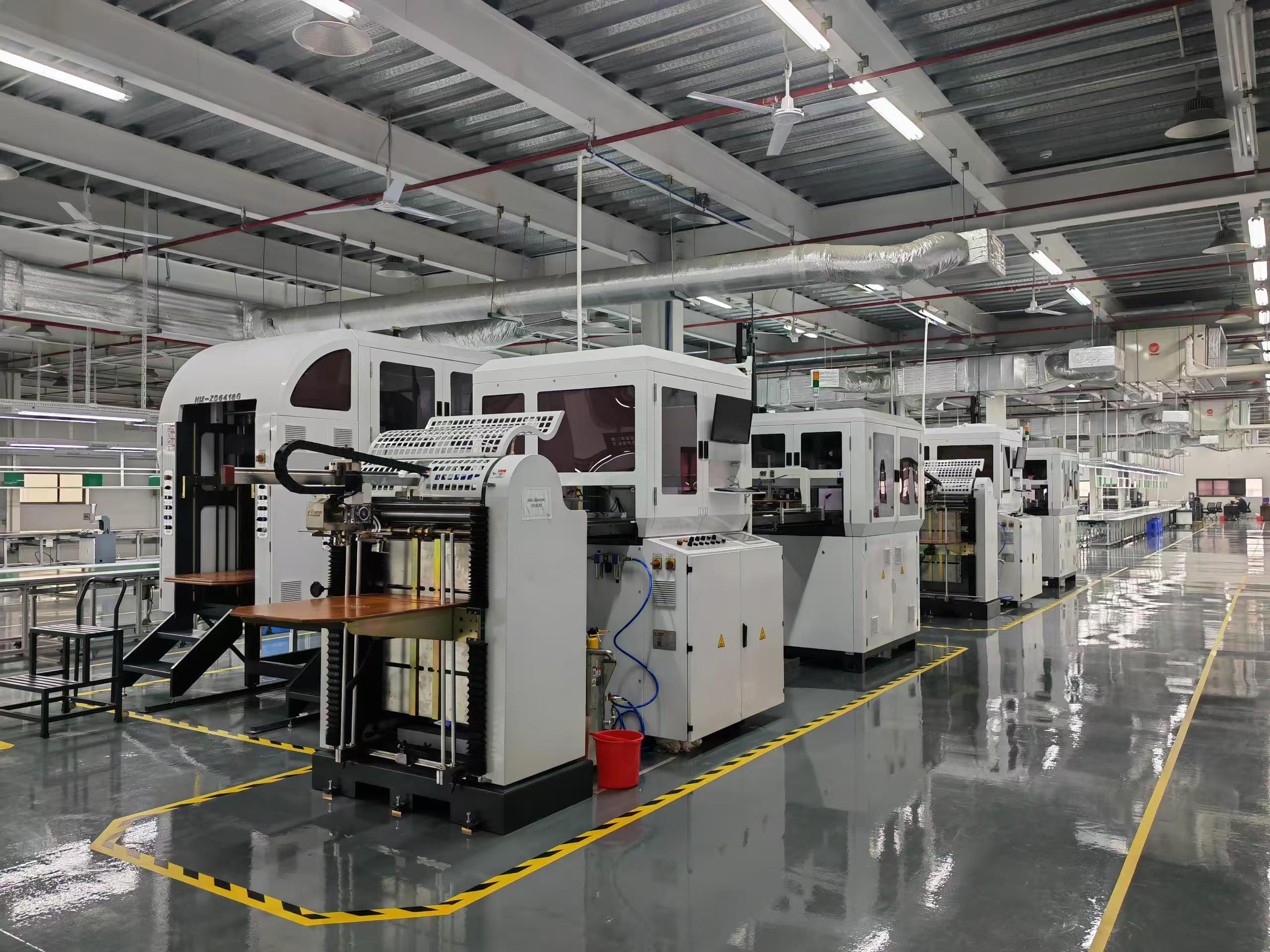
Multiple flexible production lines support both limited-edition and large-volume US-bound rigid box orders.
Conclusion: Readiness Is What Makes Compressed Timelines Safe
US-bound premium rigid box compliance is a sequence, not a document. The sequence closes the compliance matrix first, fixes the structural specification second, resolves sampling against a written approval sheet third, and protects the handoff with NDA and artwork-control terms fourth. Programs that follow that order can compress the calendar without gambling on quality, because the compression happens in coordination rather than in inspection.
Topsion Packaging is a premium rigid box manufacturer headquartered in Shenzhen with a Los Angeles office and three production facilities in Dongguan, serving the EU and USA markets with a documented ISO 9001, FSC and G7 certification base, 500,000 units of monthly capacity, 100% testing, and a five-year white-label relationship built on remaining behind the scenes. For US gifting and spirits projects, that combination — verification on paper and delivery under a seasonal deadline — is the readiness standard worth measuring every supplier against.
Have Questions or Need More Details?
Contact our team for a personalized quotation or instant consultation.
Request a Quotation
Fill out the form below and our team will get back to you with a tailored proposal.
WhatsApp Direct Chat
Prefer to chat in real-time? Message us on WhatsApp for instant assistance & quick answers.
- Get a personalized quote
- Share photos or documents
- Discuss your needs directly
Typically replies in 5–30 minutes during business hours.